


TL;DR:
We tested 9 power dialer tools that B2B mid-market sales teams are evaluating in 2026 and ranked them by what actually matters: dial pacing, pickup-rate engineering, CRM integration depth, AI voice integration, and total cost for a 50-rep team. The verdict — most reviews compare dials per hour and skip the question that actually decides ROI: how many of those dials connect. Aloware is the only platform on this list where the Power Dialer runs in the same product as the Pickup Stack (NumberGuard + Branded Calling + Local Presence) and AloAi Voice Agent + AloAi Voice Analytics.
Key facts:
- 81% of businesses report revenue loss from legitimate calls flagged as spam by carrier AI (FCC, 2025)
- 87% of Americans refuse calls from unknown numbers — dial speed without trust signals produces fewer connects, not more
- Aloware Power Dialer is included on the uPro + AI plan at $60/user/month (billed quarterly)
- Every dial logs a transcript + AI summary directly to the CRM record (HubSpot, Salesforce, Pipedrive, Zoho, GoHighLevel) with entity sync
- Aloware is the only platform in this evaluation running Power Dialer, Pickup Stack, and AI voice in one product
Ranked list:
- Aloware Power Dialer — best for B2B mid-market teams (50+ reps) that want dial volume AND connect-rate engineering in one product
- Mojo Sells — vertical-narrow real estate dialer
- PhoneBurner — single-line outbound dialer
- powerdialer.ai — standalone dialer
- Salesmate — CRM-bundled dialer
- Myphoner — solo and small-team focused
- Dialer360 — call-center-style dialer
- Cleverly — outbound add-on
- Croclub — small-team dialer
Quick comparison
If you've sat through a power dialer demo this year, you've heard the pitch: "Our reps make 3x the dials." It's true. It's also the wrong starting metric if your team is running into the pickup-rate ceiling.
Most "best power dialer" reviews compare dials per hour and call it a day. They skip the question that actually decides whether your team hits quota: how many of those dials connect to a human voice on the other end? In 2026, the answer depends less on the dialer's speed and more on whether the same platform is engineering around carrier flagging. The math doesn't care how fast you dial if 70% of those dials land in the spam folder or remain unanswered.
We tested 9 tools across five dimensions — dial pacing, pickup-rate engineering, CRM integration depth, AI voice integration in the same product, and total cost for a 50-rep team — and the results split cleanly. There's the tier built for raw outbound volume. And there's the much smaller tier built for outbound volume that actually produces conversations. Here's what we found.
What is a power dialer?
A power dialer is software that automatically dials through a list of contacts one number at a time, connecting the rep to the call only when the prospect picks up. It's the 1:1 evolution of the auto-dialer: built for sales teams running CRM-list-driven outbound where every call needs to be a real conversation, not a queued recording.
The core promise: take the manual tasks out of dialing (copying numbers, switching tabs, logging calls by hand) so reps spend their time talking, not clicking. A typical power dialer push gets reps from 25–40 dials per day to 60–80 dials per hour — roughly 4–6x the conversation volume.
The category has matured. The tools work. But "fastest dialer wins" was a 2020 buying framework. In 2026, the buyers who pick on speed alone churn back to a connect-rate evaluation within 6 months. That's the entire reason this guide exists.
Key takeaway: A power dialer is software that dials a CRM list 1:1 and only connects the rep when the prospect picks up. Dial speed is the easy part — pickup rate is the part that decides ROI.
Dial speed vs dial connects: the question most power dialer reviews skip
This is the question most B2B mid-market buyers don't ask before they buy. They search "best power dialer," compare dials per hour, pick the fastest, install it, and move on. Six months later they're shopping again because their numbers got flagged, their connect rate dropped, and the speed advantage evaporated.
Here's the math the typical review skips.
The slower dialer with carrier-trust engineering produces nearly 2x the connects of the faster dialer without it. The buyer who picks on dials-per-hour alone is optimizing the wrong number.
This is why the Pickup Stack — NumberGuard (monitors caller-ID reputation in real time and protects numbers before they get flagged),
Branded Calling (company name and logo appear on the prospect's lockscreen before they answer), and
Local Presence (auto-matches outgoing area code to the prospect's location) — matters more than another 20 dials per hour. Every other tool on this list gives you raw outbound speed. Aloware is the only one engineering around the reason most of those dials don't connect.
For a deeper read on the carrier-side mechanics, read the carrier-side pickup-rate problem.
Key takeaway: Dial speed is the wrong primary buying criterion. Connect rate is what decides quota attainment. The dialer that engineers around carrier flagging wins on the math that matters.
How we evaluated the 9 best power dialer tools for B2B sales teams in 2026
This isn't a feature checklist comparison. We evaluated each tool against five dimensions that actually move quota for a 50-rep B2B mid-market team:
- Dial pacing. Dials per hour, pause/resume behavior, voicemail-drop integration, list management.
- Pickup-rate engineering. Is there a carrier-trust layer in the same product? NumberGuard / STIR-SHAKEN attestation / Branded Calling / Local Presence? Or does the buyer need to bolt on a separate vendor?
- CRM integration depth. Not "do they have a Zapier integration." Do they sync bi-directionally with HubSpot, Salesforce, Pipedrive, Zoho, GoHighLevel? Do dialer outcomes update properties? Trigger workflows? Log transcripts with entity sync to the right contact + deal?
- AI voice integration. Does the same product run an AI voice agent for inbound + missed-call rescue? Voice analytics in the same dashboard? Or are these separate tools the buyer has to integrate?
- Total cost. Per-user pricing, hidden fees, carrier pass-throughs, RCPA minimums. We compared apples-to-apples for a 50-rep team running 60–80 dials/hour.
From reviewing how Aloware customers evaluate and switch dialers, the pattern is clear: the teams that pick on dial speed alone are back in market within 6 months. The teams that pick on stack consolidation — pickup-rate engineering + CRM integration depth + AI voice in the same product — stick. We did NOT weight "ease of UI" because every tool on this list is usable. The real differentiation in 2026 is what's measured below.
For a deeper guide that crosses dialer-category boundaries, see our sales dialer evaluation covering 8 of the highest-performing options across single-line, parallel, and progressive dialing.
Key takeaway: Dial pacing is commoditized. CRM-integration depth, pickup-rate engineering, and integrated AI voice are the differentiators that decide ROI at 50+ reps.
The 9 best power dialer tools for B2B sales teams in 2026
1. Aloware Power Dialer
Best for: B2B mid-market sales teams running high-volume outbound that need dial speed AND carrier-trust engineering in one product, with deep CRM integration and AI voice in the same stack.
Pricing: $60/user/month on uPro + AI (billed quarterly). $70/user/month if billed monthly. xPro + AI at $85/user/month quarterly adds Salesforce native CTI and unlimited voice analytics. Minimum 5 users on uPro and xPro.
Free Trial: 14-day trial available, no credit card required.
Why Aloware Stands Out
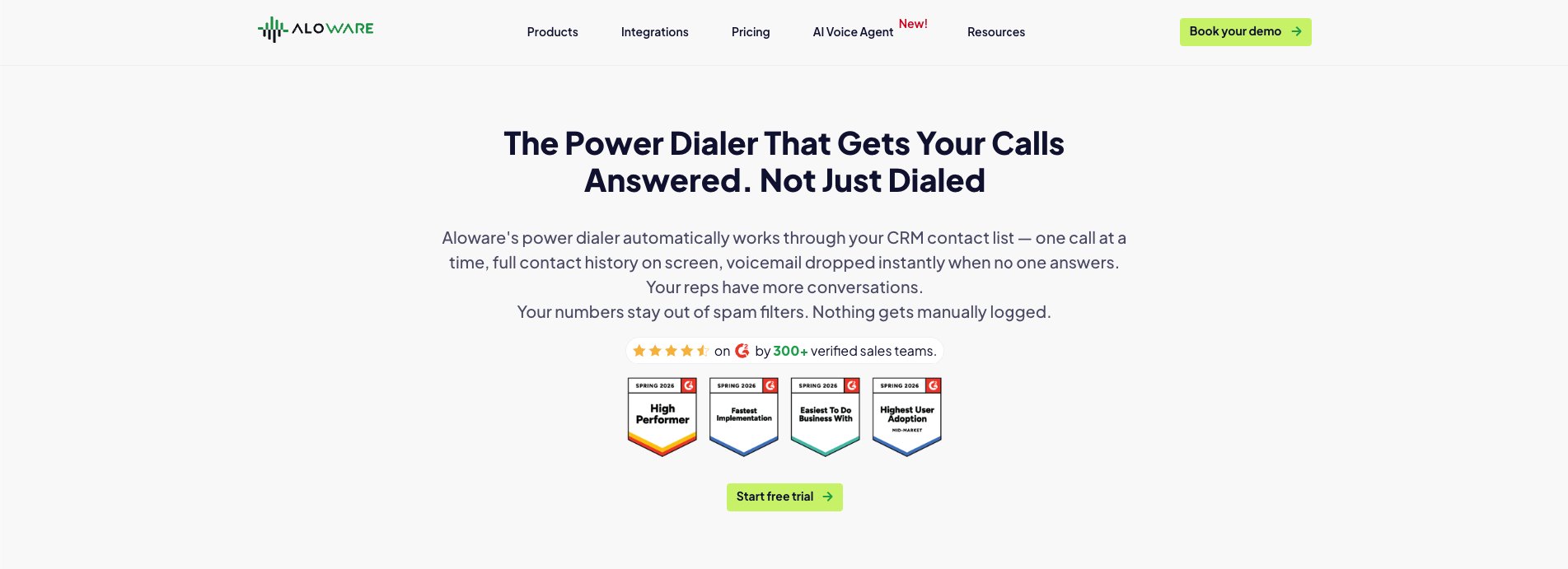
Aloware is the only platform in this evaluation where the Power Dialer, the Pickup Stack, and AI voice live in the same product. Most "power dialer" vendors give you one of those three. Aloware runs all three on the same call.
When a rep starts a Power Dialer session, the dial goes out through a number Aloware has been actively monitoring with NumberGuard (real-time reputation scoring at the carrier level). The call shows up on the prospect's screen with Branded Calling (company name + logo on the lockscreen). The number presented is the Local Presence match for the prospect's area code. If the prospect picks up, the rep sees the contact's CRM record with full deal context. If the call goes to voicemail, VM Drop plays a pre-recorded message in one click. The whole call logs to HubSpot, Salesforce, Pipedrive, Zoho, or GoHighLevel with AI transcription, AI summary, and entity sync — the rep doesn't write call notes. AloAi Voice Agent can pick up the inbound callback automatically. AloAi Voice Analytics runs sentiment, keyword detection, and coaching across every conversation.
That's the wedge: not feature parity, but product consolidation. A 50-rep team that picks Aloware replaces 3–4 separate vendors with one stack.
Core Capabilities
- Power Dialer: 1:1 single-line dialing through CRM lists with auto-pacing, pause/resume, mandatory dispositions, mandatory tags, voicemail drop
- Pickup Stack: NumberGuard reputation monitoring, Branded Calling lockscreen identity, Local Presence area-code matching (US numbers; add-on $300/mo)
- CRM Integration: Native to HubSpot (workflows + dynamic lists on uPro + AI and xPro + AI), Salesforce native CTI + Talk2 messenger (xPro + AI only), Pipedrive, Zoho, GoHighLevel; Zapier for 100+ other systems
- AI Voice Agent: AloAi Voice Agent for inbound qualification and outbound callbacks, priced per-minute from $0.10/min, $250/mo RCPA required
- AI Voice Analytics: 5,000 minutes/month included on uPro + AI; unlimited on xPro + AI. Auto-transcription, AI call summary, sentiment, keyword detection, coaching
- Compliance: Managed A2P 10DLC, STIR/SHAKEN attestation, KYC, SOC2 certified
- Truly unlimited agent minutes for inbound and outbound to US/Canada
Practical Use Case
Picture a 75-rep solar sales team running a speed-first dialer. Reps are hitting 80 dials/hour, but pickup rates have dropped into single digits because numbers got carrier-flagged. The teams we work with in this position usually consolidate the stack rather than chase another 20 dials/hour: replace the speed-first dialer with Aloware Power Dialer + Pickup Stack, drop the standalone AI-transcription vendor (AloAi Voice Analytics absorbs it), drop the standalone inbound IVR (AloAi Voice Agent absorbs it). Dial pacing typically settles at 60–70 dials/hour. The math that moves is connect rate, not dial rate — fewer dials, more conversations, and one stack instead of four.
Pricing Breakdown
Power Dialer is uPro + AI and xPro + AI only. iPro + AI does not include Power Dialer.
Pros / Cons (real)
Pros: Pickup Stack is unmatched in the category. CRM-integration depth (especially HubSpot) is the deepest available. AI voice + voice analytics in the same product means fewer vendors. Truly unlimited agent minutes for inbound and outbound to US/Canada.
Cons: Power Dialer is limited to 1:1 single-line (no multi-line or predictive dialer yet). AI voice agent requires a $250/month RCPA minimum. Local Presence is US numbers only. Salesforce CTI is xPro-only ($85/user/mo quarterly), which prices out lean teams that need Salesforce integration on a tighter budget. Not HIPAA compliant.
When to Choose Aloware
Choose Aloware Power Dialer if you're a B2B mid-market team (50+ reps), you live in HubSpot or Salesforce, you've felt the pickup-rate drop from carrier flagging, and you want one stack instead of four. If your team is under 10 reps or you're a solo operator, the lighter-weight options below are scoped to your size.
2. Mojo Sells
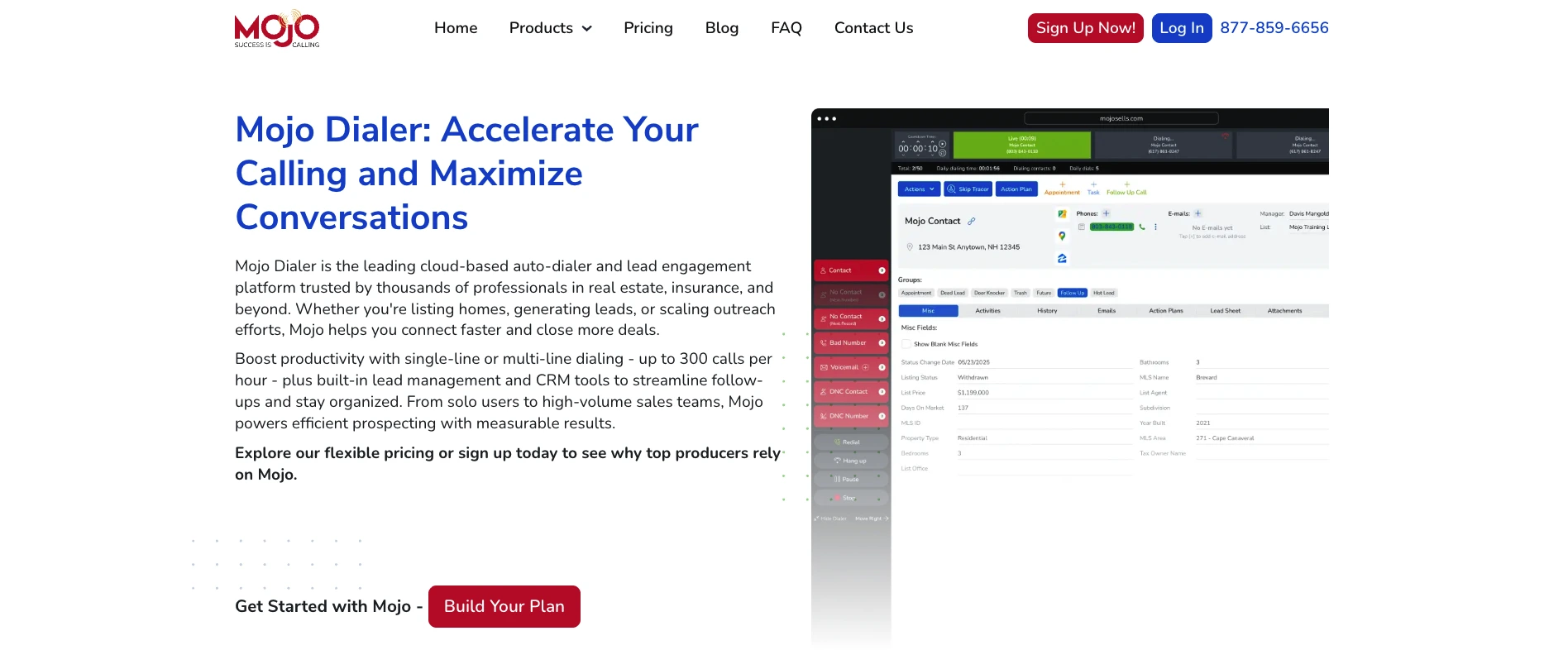
We tested Mojo Sells by configuring its triple-line dialer on a sample real-estate lead list and running a sequence of outbound calls through it. Mojo Sells is a real-estate-focused dialer with multi-line dialing (triple-line option), CRM-light contact management, and lead-list services for real estate teams, priced around $99/user/month.
Consideration: less suitable for non-real-estate B2B sales teams that need deep CRM integration with HubSpot/Salesforce/Pipedrive, carrier-trust engineering against spam flagging, or AI voice in the same product.
3. PhoneBurner
We tested PhoneBurner by setting up a single-line dialing session with Salesforce sync on a sample SDR cadence. PhoneBurner is a single-line power dialer with native Salesforce integration, voicemail drop, and email follow-up automation, priced around $149/user/month with the Salesforce sync at the upper tier.
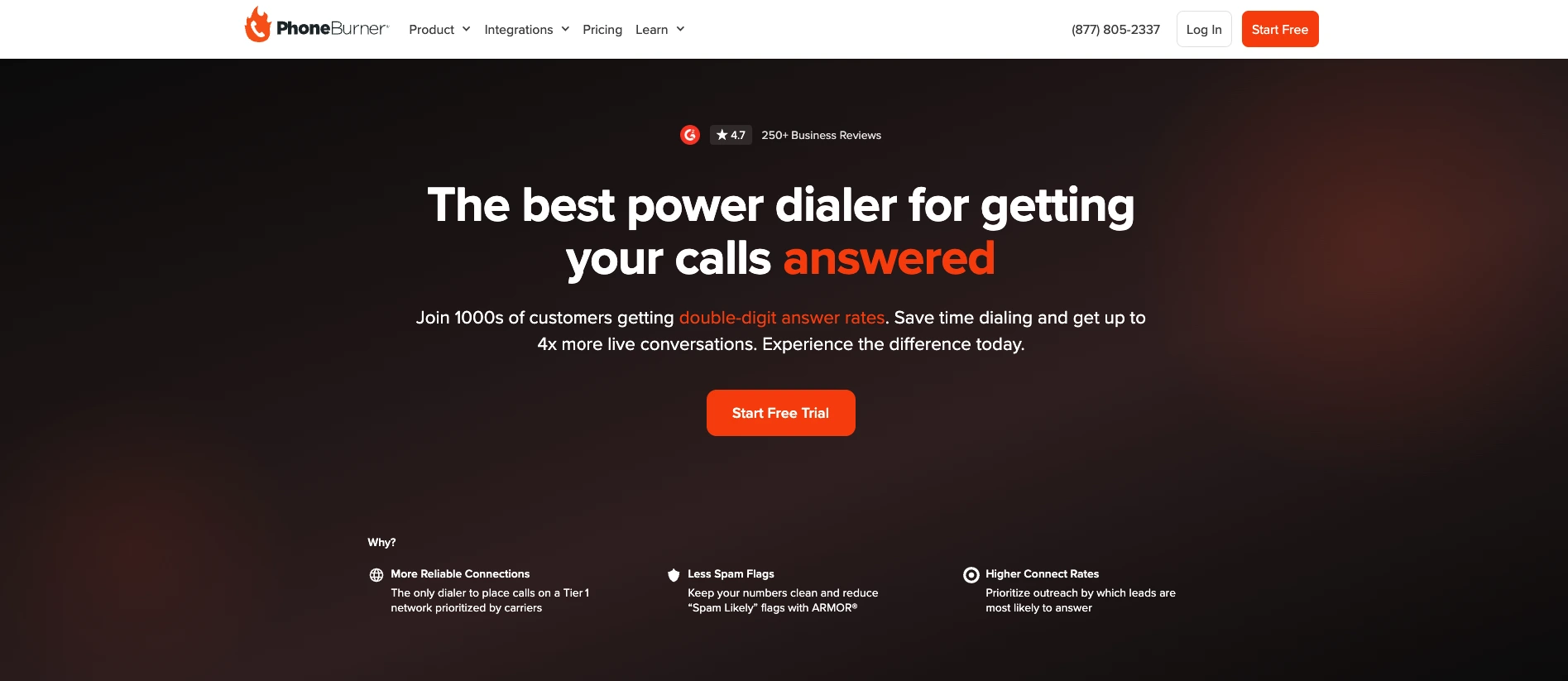
Consideration: less suitable for teams on HubSpot or other CRMs as primary system, teams that need carrier-side pickup-rate engineering (no NumberGuard equivalent), or teams that want AI voice agents in the same product.
4. powerdialer.ai
We tested powerdialer.ai by configuring a standalone dialer instance with webhook-based CRM sync. powerdialer.ai is a standalone single-line dialer with webhook-driven CRM connections, tiered usage-based pricing, and no native CRM workflow logic.
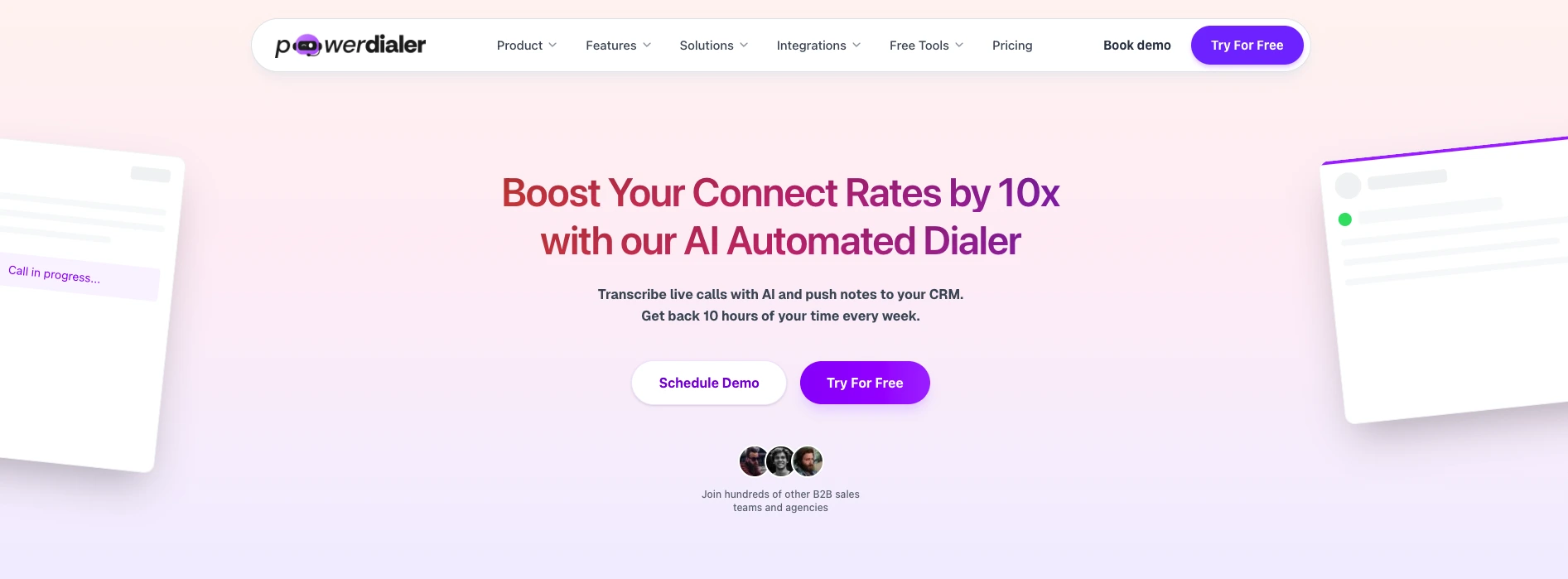
Consideration: less suitable for teams that need native CRM workflow triggers, carrier-trust engineering, or AI voice in the same product.
5. Salesmate
We tested Salesmate by enabling its Power Dialer add-on inside the bundled Salesmate CRM. Salesmate is a CRM platform with a dialer add-on, starting around $23/user/month for the CRM and additional cost for the dialer module, with native integration only to its own CRM.
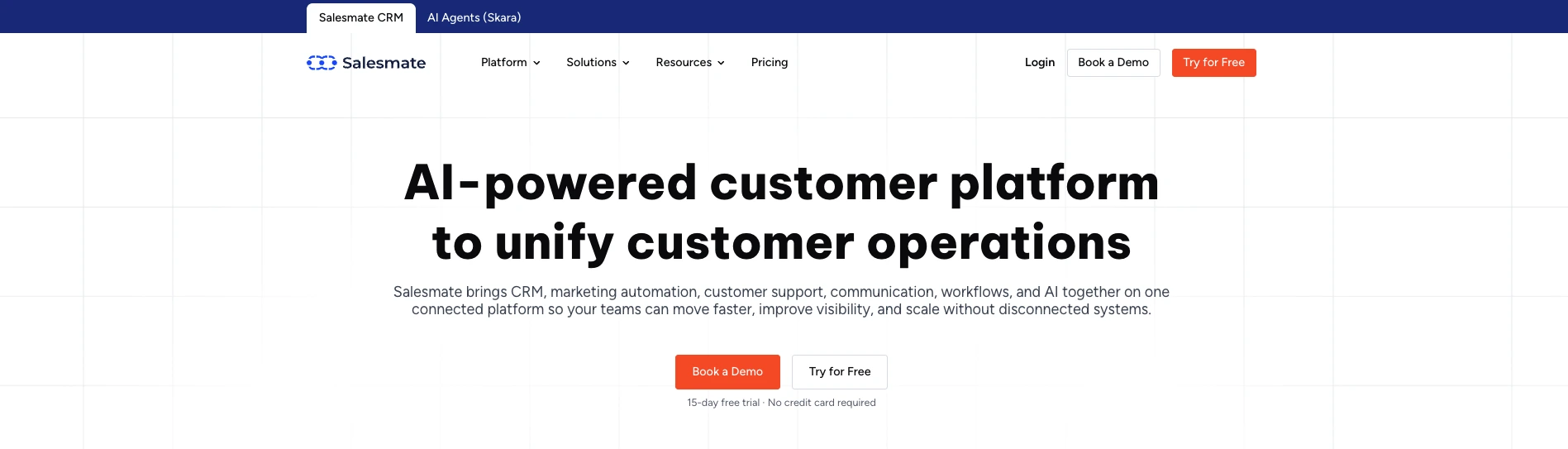
Consideration: less suitable for teams already on HubSpot, Salesforce, or Pipedrive who would have to migrate CRMs to use Salesmate's dialer, and teams that need carrier-side pickup-rate engineering.
6. Myphoner
We tested Myphoner by importing a sample list and running a single-line dialing session with limited CRM sync. Myphoner is a lead-list management tool with built-in single-line dialing, priced around $19/user/month, scoped to solo operators and small teams under 10 users.
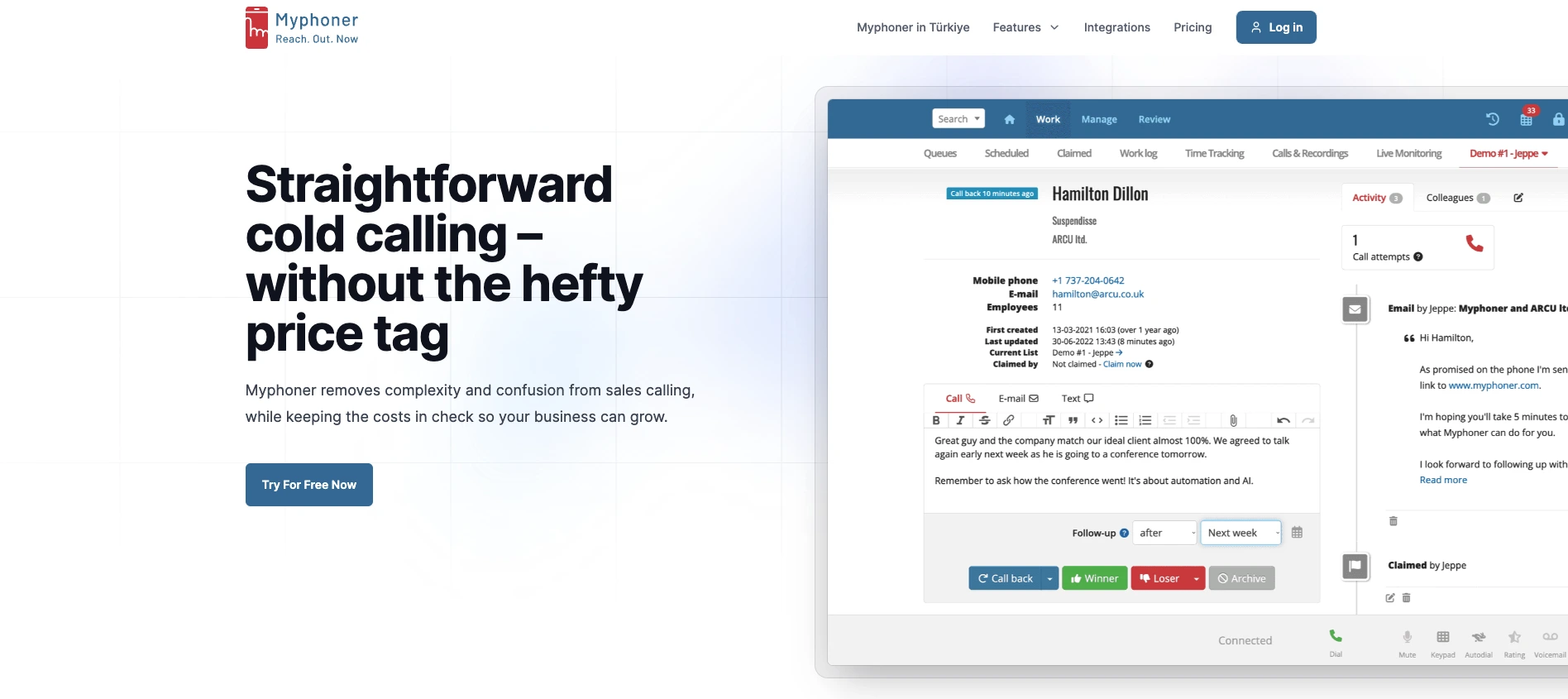
Consideration: less suitable for mid-market sales teams running 50+ reps, teams that need deep native CRM workflow integration, or teams that need carrier-trust engineering.
7. Dialer360
We tested Dialer360 by configuring a multi-line predictive dialer session for a contact-center-style use case. Dialer360 is a contact-center-flavored predictive and progressive dialer with tiered pricing, designed for high-volume call-center operations.
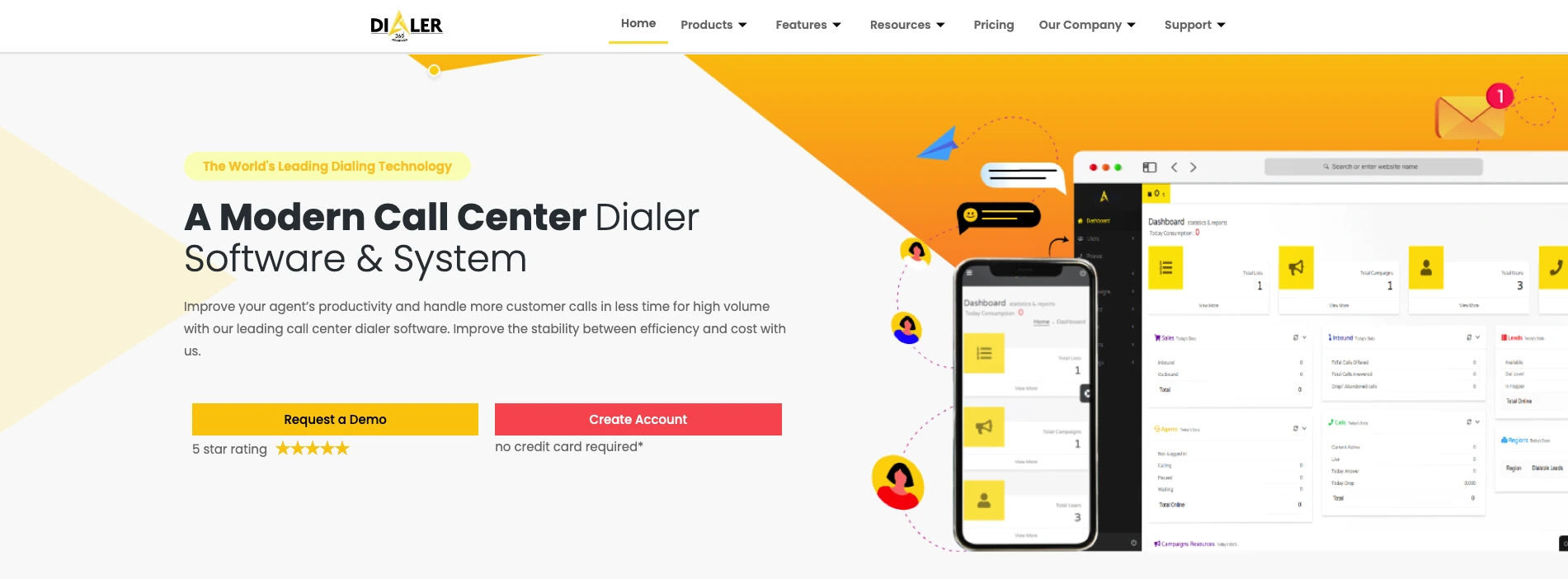
Consideration: less suitable for B2B sales teams that need 1:1 conversational dialing (predictive dialers carry compliance + carrier-trust risks not appropriate for B2B outbound), deep CRM integration, or integrated AI voice.
8. Cleverly
We tested Cleverly by configuring its outbound dialer add-on for a sample SDR workflow. Cleverly is an outbound sales add-on with built-in dialing functionality, tiered pricing, and limited native CRM workflow integration.
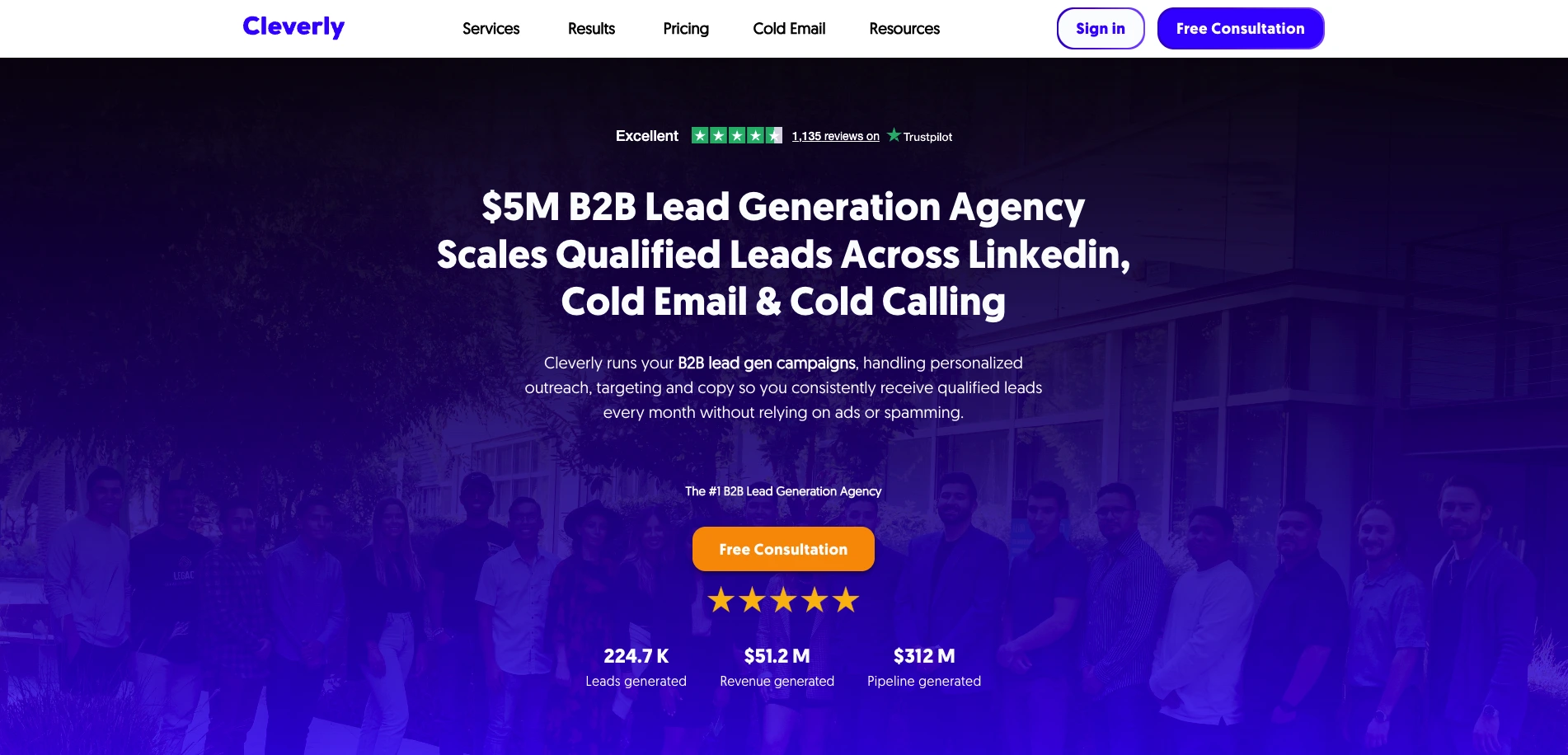
Consideration: less suitable for teams that need native multi-CRM workflow integration, carrier-trust engineering, or AI voice in the same product.
9. Croclub
We tested Croclub by setting up a small-team dialing session with webhook-based CRM sync. Croclub is a small-team dialer with entry-tier pricing, webhook-based CRM connection, and limited workflow logic.
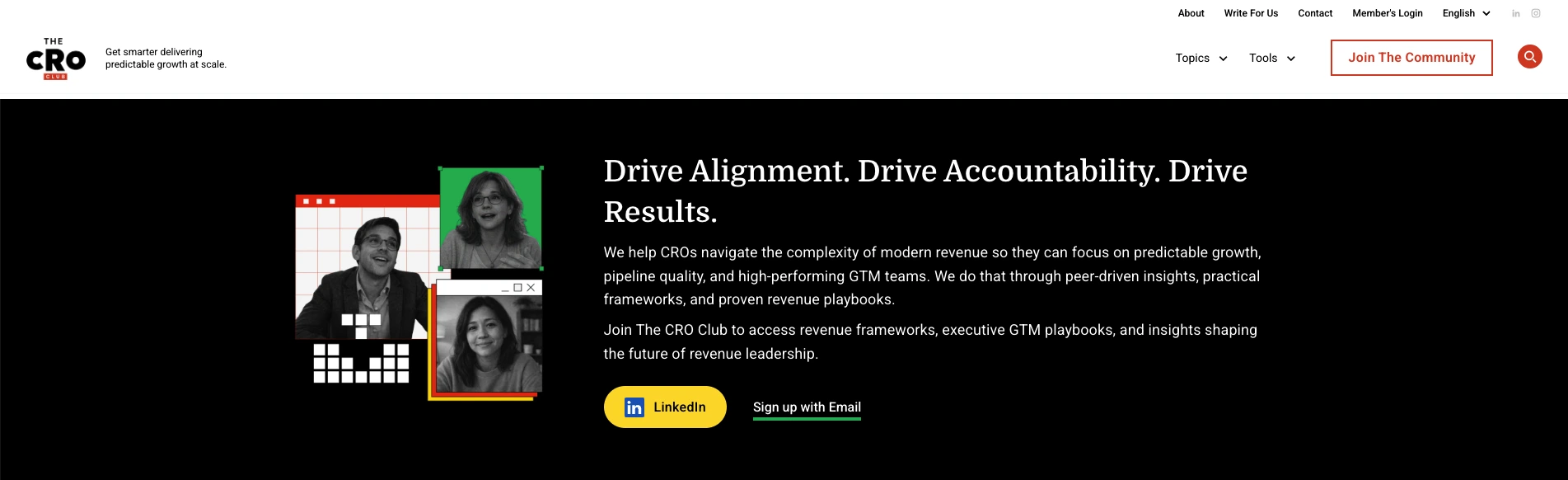
Consideration: less suitable for mid-market teams (50+ reps), teams that need deep native CRM integration, or teams that need carrier-side pickup-rate engineering.
Feature comparison
How much does a power dialer cost in 2026?
Power dialer pricing in 2026 ranges from about $19/user/month for solo-operator tools to $149/user/month for single-vendor Salesforce dialers. The pricing differences usually map to three factors: dialer line count (single-line vs multi-line vs predictive), CRM integration depth (Salesforce-native costs more), and whether AI voice + voice analytics are included or sold separately.
For a 50-rep team in 2026:
- Lean tier ($19–$30/user/month): Solo/small-team tools or CRM-bundled dialers like Myphoner ($19), Salesmate ($23 CRM + dialer add-on), Aloware iPro + AI ($30 — note iPro does NOT include Power Dialer)
- Mid tier ($60–$99/user/month): Aloware uPro + AI at $60/user/month (quarterly) includes Power Dialer + Pickup Stack components + AI voice analytics; Mojo Sells at $99 for real estate; Cleverly and Dialer360 tiered
- Upper tier ($85–$149/user/month): Aloware xPro + AI at $85/user/month (quarterly) adds Salesforce native CTI and unlimited voice analytics; PhoneBurner at $149 for Salesforce-sync at the upper tier
The right buying question isn't "what's the cheapest dialer." It's "what's the total stack cost when I include the pickup-rate engineering, the CRM integration, the AI transcription, and the inbound coverage." Aloware tends to win on that math because it consolidates 3–4 separate vendors into one product.
For exact current Aloware pricing, see our pricing page.
Key takeaway: Power dialer pricing ranges $19–$149/user/month in 2026. The right number to compare is stack cost (dialer + pickup engineering + CRM integration + AI), not dialer-line item alone.
Why pickup rate matters more than dial speed in 2026
Here's what's actually happening at the carrier level in 2026. The US sees about 2.56 billion robocalls per month (FCC). To protect consumers, Verizon, T-Mobile, and AT&T deploy aggressive AI spam detection that flags suspected scam numbers in real time. These systems are pattern-based, not intent-based — they can't tell a legitimate B2B sales call from a scam call. They look at signals like call velocity, area-code mismatch, STIR/SHAKEN attestation level, prior consumer reports, and answer rates.
The result: legitimate business numbers get flagged as "Spam Likely" or "Scam Likely" within days of running high-volume outbound. 81% of businesses report revenue loss from this. 87% of Americans refuse calls from unknown numbers. The faster you dial, the faster you trip these signals, the faster your numbers burn.
The fix isn't dialing slower. The fix is engineering around the signals carriers flag on. That requires three things working together:
- NumberGuard: Monitors your outbound numbers daily across First Orion, Hiya, TNS, and Free Caller Registry. Catches spam flags within hours, not weeks. Triggers reputation-recovery before the connect rate craters.
- Branded Calling: Registers your company name and logo with the major carriers. When a prospect's screen rings, they see "Acme Solar — Quote Request" with your logo, not "Unknown" or "Spam Likely."
- Local Presence: Auto-matches your outbound area code to the prospect's location. A Phoenix prospect is 3–4x more likely to answer a 602 number than a 415 number. Aloware automates the match across your number pool (US numbers).
Together, these address every reason a legitimate business call gets ignored: carrier flagging, unknown-number anxiety, and lack of brand recognition. Most "best power dialer" vendors offer one of these (usually Local Presence as an add-on). Aloware is the only platform in this evaluation that runs all three in real time, automatically, as part of the same product as the dialer.
Want the full breakdown? Read The Pickup Stack: how to lawfully increase pickup rates.
Key takeaway: In 2026, carrier AI flags legitimate business numbers indiscriminately. The only way to scale outbound is to engineer around the flagging signals — NumberGuard + Branded Calling + Local Presence in the same product as the dialer.
How to pick the right power dialer for your team
Use this decision framework. The right choice depends less on dial pacing and more on team size, CRM, and how much of the outbound stack you want consolidated.
Choose Aloware Power Dialer if:
- You're a B2B mid-market team (50+ reps)
- You live in HubSpot, Salesforce, Pipedrive, Zoho, or GoHighLevel
- Your numbers have been getting flagged as Spam Likely
- You want one product for dialer + pickup engineering + AI voice instead of 3–4 separate vendors
Choose Mojo Sells if:
- You're a real-estate brokerage specifically
- You don't need deep B2B CRM integration
- You're willing to run pickup-rate engineering as a separate problem
Choose PhoneBurner if:
- You're Salesforce-only and small enough that single-vendor pricing makes sense
- You don't need carrier-trust engineering in the same product
- You're not yet running into the pickup-rate ceiling
Choose Salesmate, Myphoner, Cleverly, Croclub if:
- You're a solo operator or small team under 10 reps
- You want the lowest-tier pricing
- You're not running into pickup-rate issues yet
Choose Dialer360 if:
- You're running a traditional call-center setup with predictive dialing
- You accept the compliance and carrier-trust risk of multi-line predictive
If you're on Salesforce specifically, also see our Salesforce-dialer evaluation.
Key takeaway: Team size, CRM, and pickup-rate pain decide the right power dialer — not dial speed alone. Mid-market teams in HubSpot/Salesforce with carrier flagging need an integrated stack, not a standalone dialer.
Industry-specific recommendations
Different verticals stress different parts of the power dialer stack. Here's what to optimize for by industry.
- Solar / Home services: Local Presence matters most (prospects respond to local area codes). Pickup Stack is critical because solar lead lists burn fast. Pick Aloware for the integrated engineering.
- Insurance agencies: Volume + entity-sync to the CRM. Aloware's HubSpot/Salesforce sync logs every call to the right policy + contact + agent. Aloware also has dedicated AI voice agent use cases for insurance agencies.
- Real estate brokerages: Mojo Sells is real-estate-narrow; Aloware works for brokerages that want CRM integration beyond real-estate-specific platforms (HubSpot, Salesforce).
- Legal services / personal injury intake: Pickup rate dominates ROI per intake. Aloware Pickup Stack + AloAi Voice Agent for after-hours coverage.
- Financial services: Compliance + CRM integration depth + voice analytics for QA. Aloware xPro + AI for unlimited voice analytics and Salesforce CTI.
- SaaS / B2B tech: HubSpot integration depth + sequences + AI Voice Analytics for coaching. Aloware uPro + AI.
- Staffing / recruitment: Volume dialing + bulk SMS for candidate outreach. Aloware uPro + AI bundles both.
Bottom Line
If you're shopping power dialers in 2026, you're not shopping for the fastest dialer. You're shopping for the dialer whose calls actually connect. Dial speed without pickup-rate engineering is volume that lands in the spam folder.
Pick the platform that engineers around carrier flagging in the same product as the dialer, with the same CRM integration depth, with AI voice in the same stack. That's the buying criterion most reviews skip — and the one that decides whether your 50-rep team hits next quarter's number.
We'll show Power Dialer + AloAi Voice Agent + Voice Analytics running inside your HubSpot or Salesforce record.
Frequently Asked Questions
What is a power dialer?
A power dialer is software that automatically dials through a list of contacts one number at a time, connecting the rep to the call only when the prospect picks up. It is the 1:1 evolution of the auto-dialer, built for sales teams running CRM-list-driven outbound where every call needs to be a real conversation. A typical power dialer push takes reps from 25–40 dials per day to 60–80 dials per hour, multiplying conversation volume 4–6x.
How is a power dialer different from a predictive dialer?
A power dialer dials one number at a time (1:1) and connects the rep when the prospect picks up. A predictive dialer dials multiple numbers simultaneously and routes the answered call to the next available rep, which creates a 1–3 second silence gap at the start of the call. That silence gap is one of the signals carrier AI uses to flag numbers as robocallers. Predictive dialers also carry higher TCPA risk because consent is harder to track when calls fire in parallel. For B2B sales, 1:1 power dialing is the safer and higher-quality choice.
How much does a power dialer cost in 2026?
Power dialer pricing in 2026 ranges from about $19/user/month (solo-operator tools) to $149/user/month (single-vendor Salesforce dialers). Aloware Power Dialer is included on the uPro + AI plan at $60/user/month (billed quarterly) and xPro + AI at $85/user/month (quarterly). The right comparison is total stack cost — dialer plus pickup-rate engineering plus CRM integration plus AI transcription — because consolidating into one product usually beats stitching 3–4 vendors together.
Does Aloware Power Dialer integrate with HubSpot?
Yes. Aloware Power Dialer is natively integrated with HubSpot on both the uPro + AI and xPro + AI plans. The integration includes HubSpot workflows, HubSpot dynamic lists for Power Dialer source data, real-time call logging to the right contact and deal, automatic AI transcription and AI summary written to the contact record, and bi-directional property sync. Reps do not write call notes — the AI summary lands in HubSpot automatically with entity sync to the right deal stage.
Does Aloware Power Dialer integrate with Salesforce?
Yes — on the xPro + AI plan ($85/user/month quarterly). Salesforce integration includes native CTI (click-to-call from inside the Salesforce record), Talk2 messenger embedded in the Salesforce record, Power Dialer with Salesforce list sourcing, and call activity + AI summary auto-logged to Salesforce contacts, leads, and opportunities. Salesforce CTI is xPro-only because it requires an API-enabled Salesforce plan.
How many calls can a rep make per hour with a power dialer?
Most power dialers get reps to 60–80 dials per hour with disciplined cadence. But the better question is connects per hour, not dials per hour. A dialer at 80 dials/hour without carrier-trust engineering produces about 8 connects (10% pickup rate on flagged numbers). A dialer at 60 dials/hour with NumberGuard plus Branded Calling plus Local Presence produces about 15 connects (25% pickup rate). The slower dialer with pickup engineering produces nearly 2x the conversations per rep per day.
Will a power dialer get my numbers flagged as spam?
Yes — if the platform does not have carrier-trust engineering built in. Carrier AI (Verizon, T-Mobile, AT&T) flags numbers based on call velocity, area-code mismatch, STIR/SHAKEN attestation level, and consumer reports. A high-volume power dialer without NumberGuard or equivalent will trip these signals fast. Aloware’s Pickup Stack — NumberGuard for reputation monitoring, Branded Calling for lockscreen identity, Local Presence for area-code matching — is built specifically to engineer around these flags.
Can a power dialer record and transcribe calls automatically?
Yes — Aloware Power Dialer records every call (compliance-permitting) and auto-transcribes using AloAi Voice Analytics. Calls under 45 seconds are not transcribed; calls over 720 minutes are not transcribed; talk time rounds up to the nearest minute. The transcript, AI summary, and sentiment analysis are logged directly to the CRM record (HubSpot, Salesforce, Pipedrive, Zoho, GoHighLevel) with entity sync. iPro + AI includes 1,000 transcription minutes per month; uPro + AI includes 5,000; xPro + AI is unlimited.
Is a power dialer compliant with TCPA?
A power dialer can be operated TCPA-compliantly when the customer maintains proper consent management on the contact lists being dialed, honors DNC requests, and uses manual click-to-dial behavior where required. Aloware provides the compliance infrastructure (managed A2P 10DLC registration, STIR/SHAKEN attestation, DNC management, PII redaction in transcripts on xPro + AI, SOC2 certification) but TCPA compliance ultimately depends on customer-side consent practices. Aloware is not HIPAA compliant.
Which industries get the most ROI from a power dialer?
The verticals where power dialer ROI is consistently highest are solar, insurance, real estate, legal (personal injury intake), financial services, staffing, and B2B SaaS — basically any vertical with a large outbound prospecting motion calling 50+ leads per rep per day. The common pattern: high call volume, lead lists that burn fast, and a CRM the calls need to log to.
.png)

Ruby Kootval is Head of Product Marketing at Aloware. She has 12 years in digital marketing, including 8 in B2B SaaS and 5 in telecom, and writes about AI voice agents, dialers, CRM integrations, and contact center operations.
.webp)
-Alternatives-for-Sales-Teams-in-2026.webp)
.webp)
.webp)